


Proper hydration is a crucial element for any athlete aiming to achieve peak performance during a race. The body’s reliance on water cannot be overstated, as even mild dehydration can impair physical capabilities and cognitive function. To maintain optimal performance, it is essential to understand how to effectively hydrate before, during, and after your event.
During rigorous physical activity, such as racing, the body loses significant amounts of fluids through sweat. This fluid loss can lead to decreased endurance, increased fatigue, and ultimately impact your overall results. By knowing your personal hydration needs and implementing a tailored strategy, you can ensure that you remain both physically and mentally sharp throughout the duration of your race.
Furthermore, the relationship between hydration and focus is often overlooked. Dehydration can lead not only to physical slowdowns but also to a decline in mental clarity. This can affect decision-making and reaction times, both of which are critical during competitive events. Prioritizing hydration can thus support both your body and mind, allowing you to push past your limits and achieve your goals.
Understanding Your Hydration Needs Before the Race
Proper hydration is crucial for optimal performance, especially in endurance races where maintaining energy levels is key. Before the event, it is essential to assess your individual hydration needs based on several factors, including climate conditions, race duration, and your personal sweat rate.
Begin by evaluating your typical fluid intake in training sessions. Monitor how much you drink and the effects it has on your performance. Consider conducting a sweat test: weigh yourself before and after a workout to determine how much fluid loss occurs. This will provide a baseline for how much you need to replenish during the race.
Be aware of environmental conditions that may influence your hydration needs. High temperatures and humidity levels can accelerate fluid loss through sweat, requiring an increased intake of electrolytes and water. Conversely, cooler conditions may decrease your motivation to hydrate, but fluids are still necessary to maintain balance and performance.
Establish a hydration strategy before race day. Aim to drink water regularly in the days leading up to the event, ensuring that you start the race well-hydrated. On race day, consume fluids at regular intervals rather than relying on thirst alone, as this can be misleading during intense physical activity.
Consider incorporating electrolyte-rich beverages to help maintain sodium levels, especially during longer races. This will aid in preventing dehydration and enhancing stamina. Understand that hydration needs can vary based on personal context, so tailor your approach to suit your specific endurance goals.
Choosing the Right Fluids for Optimal Performance
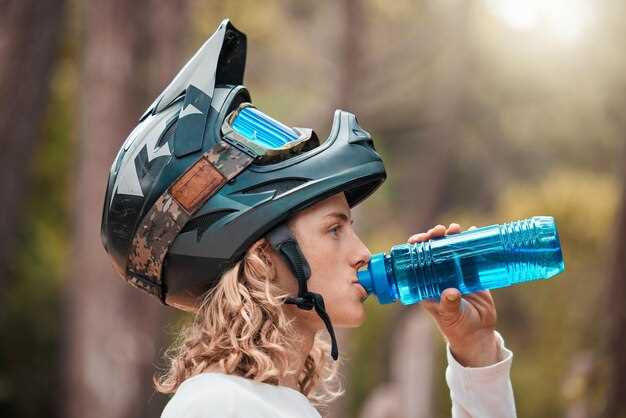
Hydration plays a crucial role in endurance performance, and selecting the appropriate fluids is essential for maintaining peak efficiency during your race. Water is a fundamental choice, but it may not always suffice for extended physical exertion. For events lasting over an hour, sports drinks that contain electrolytes and carbohydrates become increasingly beneficial. These drinks help replenish lost sodium, potassium, and magnesium, which are vital for muscle function and preventing cramping.
When choosing a sports drink, look for one that offers a carbohydrate concentration of 6-8%. This level helps ensure a steady energy release without causing gastrointestinal discomfort. Additionally, consider the taste; a palatable drink encourages more frequent consumption, which is critical for staying hydrated and energized throughout the race.
In some cases, natural options such as coconut water or electrolyte-infused waters can provide an alternative to traditional sports drinks. They are often lower in sugar and may offer a more appealing flavor profile for certain athletes. Regardless of your choice, it’s important to test different fluids during training sessions to identify what works best for your body and maintains your endurance without adverse effects.
Lastly, timing your hydration is just as important as the fluids themselves. Aim to drink small amounts consistently before, during, and after your race to achieve optimal hydration levels. By strategically selecting your fluids, you can enhance your endurance and overall race performance significantly.
Maintaining Concentration with a Hydration Strategy During the Race

During endurance events, proper hydration is crucial not only for physical performance but also for mental focus. A well-thought-out hydration strategy can significantly enhance your concentration levels, allowing you to stay sharp and make better decisions throughout the race.
Understanding Your Hydration Needs: Before the race, it’s essential to tailor your hydration strategy according to the specific demands of your body and the environment. Factors such as temperature, humidity, and your individual sweat rate play vital roles in determining how much fluid you’ll need. Aim to start the race fully hydrated, as dehydration can impair cognitive functions, leading to a decline in concentration.
Creating a Hydration Schedule: During the race, establish a hydration schedule to regularly replenish lost fluids. Drinking small amounts frequently is more effective than consuming large quantities at once. This approach helps maintain optimal electrolyte levels and keeps your mind alert. Consider using a mix of water and electrolyte drinks to enhance your endurance and cognitive performance.
Listening to Your Body: Pay attention to your body’s signals. If you notice signs of fatigue or decreased focus, it may be time to reassess your hydration strategy. A dry mouth, headache, or confusion can all indicate the need for more fluids. Be proactive about hydration throughout the race rather than waiting until you feel thirsty.
Utilizing Hydration Tools: Utilize devices such as hydration packs or belts that allow easy access to fluids without breaking your stride. Staying hydrated without significant disruption can help maintain a steady pace and focus during critical moments of the race.
In conclusion, a strategic approach to hydration is integral for maintaining concentration during endurance races. By understanding your hydration needs, creating a consistent schedule, and actively listening to your body, you can enhance both your physical and mental performance on race day.


