


Maintaining optimal engine performance is crucial for enhancing both efficiency and longevity in high-performance vehicles. One of the key factors in achieving this balance is the engine’s cooling system, which plays a vital role in dissipating excess heat generated during operation. At the heart of many cooling systems is the radiator, a critical component that helps regulate engine temperature and ensure that mechanical parts function smoothly.
Modern engines operate under extreme conditions, producing significant amounts of heat. If not adequately managed, this heat can lead to decreased performance, increased wear and tear, and even catastrophic failures. Therefore, understanding the various cooling solutions available, especially those involving the radiator, is essential for anyone looking to optimize their engine’s efficiency. From traditional liquid cooling systems to advanced technologies such as electric fans and intercoolers, each solution offers unique advantages and challenges.
In this article, we will explore the different types of cooling solutions for high-performance engines, focusing specifically on the design and function of the radiator. We’ll discuss how these components work in conjunction with other systems to maintain optimal temperatures, enhance performance, and ultimately lead to a more efficient engine. Whether you are a motorsport enthusiast, a professional mechanic, or simply an auto enthusiast, understanding these cooling solutions can provide valuable insights into improving your vehicle’s performance.
Optimizing Radiator Design for Maximum Heat Dissipation
Effective radiator design is crucial for enhancing the performance of high-performance engines. The primary function of a radiator is to dissipate heat generated by the engine, ensuring optimal operating temperatures and preventing overheating. To optimize radiator efficiency, several design elements must be considered.
Core Material Selection plays a pivotal role in heat transfer efficiency. Aluminum is favored for its thermal conductivity and lightweight properties. Incorporating materials that enhance heat dispersion can significantly improve the overall performance of the radiator. Additionally, using fin arrangements that maximize airflow can facilitate more effective cooling.
Fin Design and Spacing are critical factors influencing heat exchange. Increasing the number of fins increases the surface area available for heat dissipation. However, careful consideration must be given to fin spacing; too close a configuration can limit airflow, while too widely spaced fins can reduce effective surface area. A balance is necessary for optimal airflow and heat transfer.
Tank Configuration should also be evaluated. Horizontal or vertical tank layouts impact fluid flow and heat distribution. A well-designed tank can improve coolant flow rates, enhancing the radiator’s ability to dissipate heat rapidly. Furthermore, utilizing expanded tubes can increase the coolant’s contact area with the core, promoting effective thermal exchange.
Fluid Dynamics cannot be overlooked in radiator optimization. The direction of coolant flow should be designed to enhance turbulence within the tubes, promoting better heat transfer. Computational Fluid Dynamics (CFD) simulations can aid engineers in determining the optimal coolant pathway and identifying potential flow obstructions.
Maintenance Considerations should also be integrated into the design process. An easy-to-clean radiator contributes to sustained performance, as accumulated debris can impede airflow and reduce heat dissipation efficiency. Incorporating features that facilitate maintenance can extend the radiator’s longevity and operational efficiency.
In conclusion, optimizing radiator design involves a holistic approach, considering material selection, fin design, tank configuration, fluid dynamics, and maintenance. By focusing on these elements, engineers can create radiators that enhance the overall performance and efficiency of high-performance engines.
Choosing the Right Coolant for Extreme Conditions
When operating high-performance engines under extreme conditions, selecting the appropriate coolant is crucial for maintaining engine efficiency and longevity. Different environments can impose unique challenges, and using a coolant designed for such conditions can make a significant difference.
Here are some key factors to consider when choosing the right coolant:
- Temperature Range: Evaluate the temperature extremes your engine will face. Some coolants are formulated to perform optimally at higher temperatures, preventing boiling and maintaining stability.
- Corrosion Resistance: High-performance engines can be susceptible to corrosion, especially under extreme conditions. Look for coolants that contain additives specifically designed to protect metal components.
- Water Quality: The quality of water mixed with coolant can affect performance. It’s advisable to use distilled or deionized water to prevent scale buildup and mineral deposits.
- Viscosity: The viscosity of the coolant is important for ensuring proper circulation in the engine during extreme temperature fluctuations. Select coolants that maintain optimal viscosity across a wide range of temperatures.
- Compatibility: Ensure the coolant is compatible with the materials used in your engine. This includes checking for compatibility with gaskets, seals, and metals to avoid breakdowns.
In extreme conditions, you may want to consider specialized coolants that offer enhanced properties:
- High-Performance Antifreeze: Formulated to withstand high temperatures, these coolants prevent vapor lock while also providing anti-corrosion protection.
- Waterless Coolants: These help eliminate issues related to water evaporation and boiling, thus maintaining stable engine temperatures even in the harshest conditions.
- Hybrid Coolants: Combining organic and inorganic additives, these coolants offer extended life and improved protection against heavy-duty wear and tear.
Ultimately, the right coolant can enhance engine performance, reduce wear, and extend the lifespan of high-performance engines operating in extreme environments. Always consult with engine manufacturers or coolant experts to ensure you make an informed choice tailored to your specific needs.
Maintaining Cooling System Integrity for Enhanced Performance
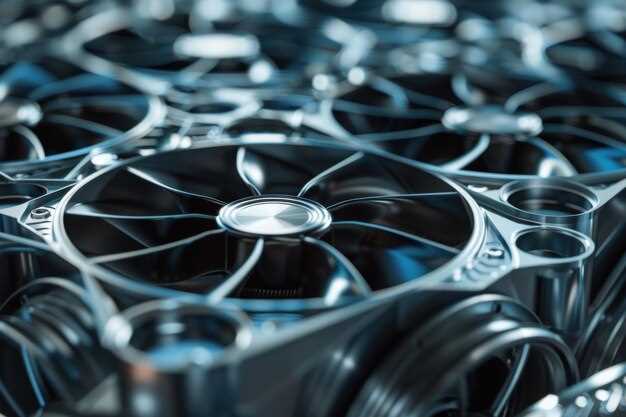
Maintaining the integrity of the cooling system is crucial for maximizing the efficiency of high-performance engines. The cooling system is responsible for regulating engine temperature, which directly impacts performance, reliability, and longevity. A well-maintained system ensures optimal coolant flow, preventing overheating and subsequent engine damage.
Regular inspection of coolant levels is fundamental. Low coolant levels can lead to inadequate heat transfer, decreasing engine performance. If coolant levels are consistently low, it is important to identify and address any leaks in the system, which can occur in hoses, fittings, or the radiator.
Coolant composition also plays a vital role. The right mix of coolant and water, along with the proper additives, enhances thermal efficiency and prevents corrosion within the cooling system. It’s essential to follow manufacturer recommendations regarding coolant specifications and replacement intervals to ensure effective performance.
The water pump is another key component that must be regularly checked. A malfunctioning water pump can inhibit coolant circulation, causing localized overheating. Ensuring that the pump operates effectively through routine maintenance will contribute to the overall health of the engine.
Additionally, the condition of the radiator should not be overlooked. A clean radiator facilitates better heat dissipation. Periodic flushing of the cooling system can clear accumulated debris and sediment, allowing for maximum coolant flow and heat exchange efficiency.
In conclusion, maintaining cooling system integrity is essential for enhanced high-performance engine operation. Regular checks of coolant levels, composition, and the functionality of key components like the water pump and radiator contribute significantly to preventing overheating and ensuring the engine operates at peak efficiency.


