
When it comes to achieving peak performance in time attack racing, the choice of tires can make or break your lap times. Slicks have long been the tire of choice for competitive racers due to their unparalleled grip and ability to maximize contact with the track surface. In the world of motorsport, the importance of competition cannot be overstated, and having the right slick tires can give you the edge needed to outperform your rivals.
As we delve into the best slick tires for time attack, it’s vital to consider factors such as compound composition, tread design, and heat resistance. Each of these elements plays a crucial role in the performance and durability of the tires during intense racing conditions. Drivers looking to secure the fastest lap times will benefit significantly from the right tire selection that complements their vehicle’s setup and driving style.
The world of slick tires is filled with various options, each designed to cater to different track conditions and driver preferences. In this article, we will explore the top contenders that have proven themselves in the realm of time attack racing, focusing on their unique features and advantages. Get ready to discover how the right slicks can propel you to the top of the podium and secure your position in the fiercely competitive racing landscape.
Best Slick Tires for Different Weather Conditions

When participating in time attack competitions, the choice of slick tires significantly impacts performance across various weather conditions. Understanding how different tire compounds react to temperature and track conditions is essential for achieving optimal lap times.
For dry conditions, the soft compound slick tires are often the best choice. These tires provide exceptional grip and allow for maximum cornering speeds. Brands like Michelin and Pirelli offer high-performance options that excel in hot weather, ensuring minimal degradation during extended runs.
In cooler conditions, it is advisable to switch to medium compound slick tires. These tires balance grip and longevity, allowing competitors to maintain competitive lap times without risking excessive wear. Bridgestone and Dunlop provide excellent medium tires that perform reliably under varied conditions, helping racers strike a balance between performance and durability.
In light rain or damp conditions, rain-specific slicks, which still have minimal tread, provide an advantage. These tires are designed to channel water away from the contact patch, maintaining grip on wet surfaces while not sacrificing performance as traditional wet tires do. Brands like Hoosier produce slicks that are adaptable and can perform well even in sporadic wet weather.
To summarize, selecting the right slick tires for the respective weather conditions is crucial in time attack competitions. Soft tires should be utilized for hot, dry days, while medium tires are best for cooler weather. In instances of light rain, consider using performance-oriented slicks that handle wet conditions effectively. These choices can set competitors apart in a highly competitive environment.
Key Tire Specifications for Time Attack Success
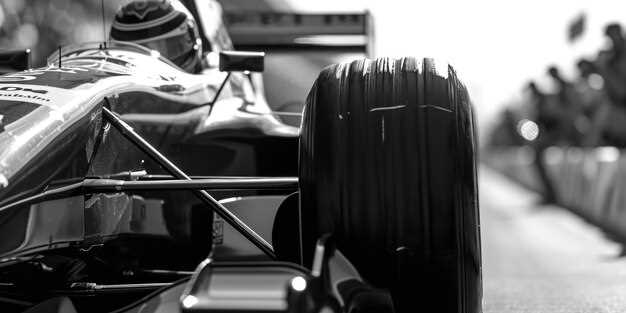
For achieving optimal performance in time attack events, selecting the right slick tires is crucial. The specifications of these tires directly influence vehicle grip, stability, and overall speed on the track. Here are the key tire specifications to consider:
Tread Compound: The compound used in slicks is fundamental for providing the necessary grip. A softer compound will enhance traction but may wear out quicker, while a harder compound will last longer but might sacrifice grip. It’s essential to find a balance that matches the track’s conditions and your driving style.
Width: Tire width significantly affects the contact patch with the ground. Wider slicks offer greater surface area, increasing grip and stability during high-speed corners. However, wider tires can also increase rolling resistance, so the right width should be selected based on aerodynamic considerations and vehicle handling characteristics.
Diameter: The overall diameter of the tire influences the vehicle’s gearing and acceleration. A larger diameter can enhance top speed but may delay acceleration, whereas a smaller diameter can improve responsiveness but reduce top speed. It’s essential to align tire diameter with your overall setup, including gear ratios and suspension tuning.
Pressure: Tire pressure is critical for optimal performance. Proper inflation maximizes the tire’s contact patch and helps in heat distribution. Lower pressures might increase grip but can lead to tire deformation, while higher pressures can improve response but reduce overall grip. Testing under various conditions is vital for finding the optimal pressure.
Sidewall Stiffness: The stiffness of the tire’s sidewall influences cornering response and stability. Stiffer sidewalls improve handling precision and make the vehicle feel more connected to the track. However, overly stiff sidewalls can lead to a harsh ride, compromising comfort and feedback.
When participating in time attack competitions, understanding these specifications and their impact on performance is essential. The right combination of tire characteristics not only enhances grip but also improves lap times, giving you a competitive edge on the track.
Comparative Analysis of Top Slick Tire Brands
In the realm of time attack racing, selecting the right slick tires is crucial for maximizing performance on the track. Different brands offer unique innovations and characteristics tailored for competition, impacting grip, durability, and overall handling. This analysis explores some of the leading slick tire brands to help racers make informed choices.
One of the top competitors is Michelin, renowned for its advanced rubber compounds and impressive grip levels. Their slick tires are engineered to maintain performance even in varying temperatures, making them a favorite in endurance racing contexts. Michelin’s focus on precision engineering provides drivers with consistent feedback, essential for achieving optimal lap times.
Next in line is Pirelli, which has established a strong reputation in motorsports. Their slick tires are known for exceptional traction and are often used in high-level competitions like Formula 1. Pirelli’s unique tread patterns and tire designs help maximize contact with the asphalt, providing excellent cornering stability and acceleration. Moreover, their tires have a built-in wear indicator that helps drivers monitor performance throughout the race.
Bridgestone stands out with its commitment to innovation and performance. Their slick tires offer remarkable grip and responsiveness, making them suitable for drivers who demand maximum control during high-speed cornering. Bridgestone has invested significantly in research and development, resulting in tires that perform consistently across various racing conditions.
Another notable brand is Dunlop, which has carved out a niche with its versatile slick tire offerings. Dunlop tires are favored for their ability to perform well in both dry and slightly wet conditions, giving drivers flexibility during unpredictable race scenarios. Their emphasis on balanced performance ensures that competitors can push their machines to the limit without sacrificing stability.
Finally, Hoosier has made a name for itself in grassroots racing, providing affordable yet high-performing slick tires. Known for their quick warm-up and consistent grip, Hoosier tires cater to a wide range of racing disciplines, making them an attractive option for amateur racers looking to enhance their competitive edge without breaking the bank.
In conclusion, each top slick tire brand brings distinct advantages to the table. Factors like tire composition, design, and intended use should be carefully considered when selecting tires for time attack events. Ultimately, the best choice will depend on individual driver preferences and specific racing conditions, making it essential to evaluate each brand’s offerings thoroughly.


