

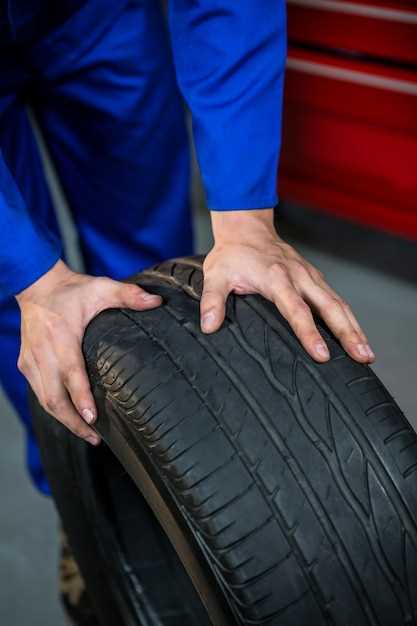
Achieving peak racing performance largely hinges on the crucial factor of tire pressure. Each tire serves as the sole link between the vehicle and the track, and the right pressure directly impacts the contact patch, which is the area of the tire that makes contact with the road. A correctly inflated tire maximizes grip, enhances stability, and improves overall handling, allowing for better acceleration and braking.
However, determining the optimal tire pressure is not a straightforward task. It varies based on multiple factors, including track conditions, tire compounds, and ambient temperatures. The contact between the tire and the surface can change dramatically with different pressures, affecting how the car reacts through corners and under hard braking. Thus, fine-tuning tire pressure becomes essential to harnessing the full potential of the vehicle during a race.
Understanding the relationship between tire pressure and performance is vital for any serious racer. An improper setup can lead to excessive tire wear or compromised performance, ultimately affecting race outcomes. This article delves deep into the intricacies of tire pressure management, exploring how it can be optimized to enhance racing performance and ensure every ounce of traction is utilized effectively.
Determining Ideal Pressure Based on Track Conditions
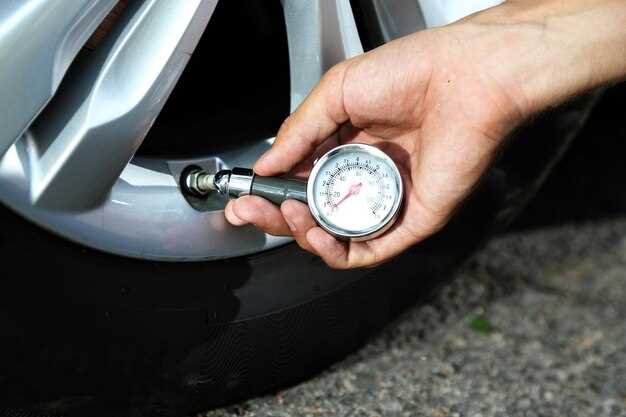
Finding the optimal tire pressure is crucial for maximizing racing performance and can significantly influence grip, handling, and tire longevity. Depending on the specific track conditions, the ideal pressure may vary substantially.
On a dry track, a lower tire pressure often increases the contact patch between the tire and the road, enhancing grip and providing better acceleration and braking. However, if the pressure is too low, it can lead to excessive tire wear and increased rolling resistance. Therefore, fine-tuning the pressure to a slightly lower value than the standard recommendation can yield advantageous results.
Conversely, on a wet or slippery track, a higher tire pressure can be beneficial. Increased pressure reduces the contact patch, which can help prevent aquaplaning and allow the tire to channel water more effectively. Maintaining an appropriate balance is essential, as excessive pressure can lead to reduced grip and compromised safety.
Furthermore, track surface plays a significant role in determining the ideal tire pressure. A rough or uneven surface may require adjustments to tire pressure to ensure optimal contact and traction. By closely observing tire behavior during practice runs and adjusting accordingly, racers can achieve the best performance outcome.
In summary, determining the ideal tire pressure involves careful consideration of track conditions, surface characteristics, and handling preferences. Meticulously adjusting the pressure in response to environmental variables is key to maintaining an effective contact patch and achieving superior racing results.
Impact of Tire Pressure on Contact Patch and Grip
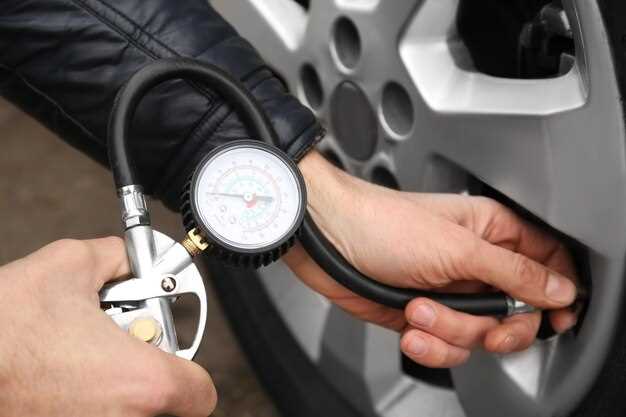
Tire pressure plays a crucial role in determining the size and shape of the contact patch, which directly affects grip and overall racing performance. The contact patch is the area of the tire that makes contact with the road. When tire pressure is optimal, the contact patch is maximized, facilitating better traction and stability during high-speed maneuvers.
Under-inflation causes the tire to deform excessively, resulting in a larger but uneven contact patch. This can lead to overheating, increased rolling resistance, and reduced grip on the track. Conversely, over-inflation leads to a smaller contact patch that can compromise traction, particularly in corners where lateral forces are significant. Therefore, finding the right balance in tire pressure is essential for achieving an ideal contact patch that enhances grip and performance.
The dynamics of tire pressure also influence how the tire responds to various road surfaces and conditions. A properly inflated tire maintains more consistent contact with the track, improving feedback and control for the driver. It allows the tire to flex appropriately, ensuring that the rubber compounds can generate optimal friction with the road. In racing scenarios where every millisecond counts, maintaining the ideal tire pressure can provide a competitive advantage.
Regular monitoring and adjustment of tire pressure are vital, as environmental factors such as temperature changes can impact tire inflation. By understanding the relationship between tire pressure, contact patch, and grip, racers can fine-tune their setups to maximize performance, ultimately leading to improved lap times and better overall results in competitive racing.
Adjusting Tire Pressure for Different Racing Styles and Vehicles
Optimizing tire pressure is critical for achieving maximum performance across various racing styles and vehicle types. The contact patch, which is the area of the tire that makes contact with the track, plays a pivotal role in determining grip, stability, and overall handling. Adjusting tire pressure influences this contact patch, directly impacting how the vehicle responds under different racing conditions.
In circuit racing, where precision and cornering are essential, slightly lower tire pressures can increase the contact patch size, offering better grip during turns. This is crucial for maintaining speed and control through tight corners. However, excessively low pressures may lead to tire overheating and excessive wear, so finding the right balance is key.
For drag racing, the approach deviates from that of circuit racing. Here, a higher tire pressure is often preferred. A smaller contact patch at launch reduces rolling resistance, allowing for quicker acceleration. However, maintaining sufficient contact with the track is vital to prevent wheel spin, especially in high-powered vehicles. Fine-tuning the tire pressure based on the car’s power and the track conditions enables optimal performance during a race.
Off-road racing requires a different strategy, as the terrain can vary significantly. Lower tire pressures are typically utilized to create a larger contact patch, increasing traction on loose surfaces like sand or gravel. This enhances the tire’s ability to conform to the irregularities of the terrain, thereby improving grip and stability. However, caution must be taken to avoid pinch flats on rocky paths.
In summary, adjusting tire pressure is not a one-size-fits-all solution. Each racing style and vehicle demands specific considerations regarding the contact patch. Understanding the relationship between tire pressure, contact surface area, and driving style is crucial for optimizing performance and achieving competitive edge on the track.


