

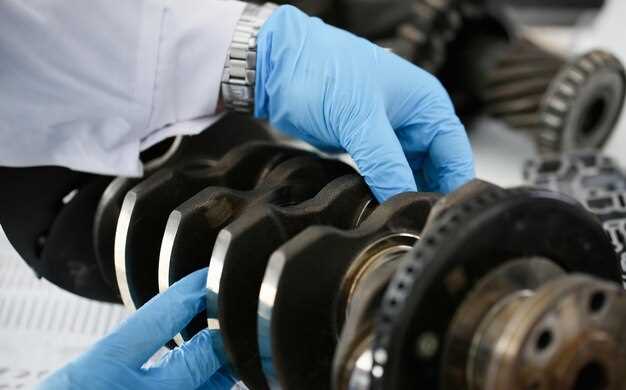
In the world of motorsports, every component of an engine plays a critical role in determining a race car’s performance. Among these components, the camshaft stands out as a vital element that directly influences the engine’s efficiency and power output. The camshaft controls the timing and duration of valve openings, which means that optimizing this part can lead to significant improvements in overall engine performance.
One of the primary advantages of using performance camshafts is their ability to enhance the timing of valve operation. By adjusting the lift and duration of the valves, racers can achieve more power at higher RPMs, allowing for quicker acceleration and improved top speeds. This is particularly crucial in racing scenarios where split-second decisions can make or break a winning run.
Furthermore, performance camshafts are designed to work in conjunction with other modifications often made to racing engines, such as upgraded intake and exhaust systems. This synergy can lead to a more balanced engine setup that maximizes each component’s potential, resulting in a well-rounded vehicle that can outperform competitors on the track. In an industry where every advantage counts, the benefits of a well-chosen camshaft are undeniable.
Optimizing Valve Timing for Enhanced Power Deliverability
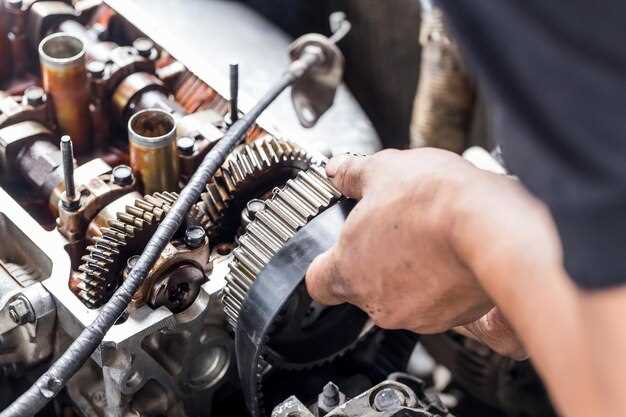
Camshaft design plays a crucial role in determining the performance characteristics of an engine, particularly in racing applications. One of the most significant factors influenced by the camshaft is valve timing, which directly affects the engine’s ability to intake air and expel exhaust gases efficiently.
By optimizing valve timing, racers can ensure that the valves open and close at the precise moments to maximize airflow during each engine cycle. This synchronization is vital for achieving the ideal balance between power output and engine efficiency. An advanced camshaft profile can facilitate prolonged intake and exhaust durations, enhancing volumetric efficiency, which translates into improved power deliverability.
Another aspect of valve timing optimization is the relationship between valve lift and duration. High-performance camshafts often feature increased lift, allowing for larger volumes of air-fuel mixture to enter the combustion chamber. When paired with precise timing, this lift enables the engine to generate more power without compromising reliability.
Furthermore, adjustable cam gears can be used to fine-tune valve timing based on specific racing conditions. By altering the camshaft’s phase, racers can adapt their engine’s characteristics for different tracks or driving styles, unlocking additional power and torque when needed. This adaptability is key for maximizing performance in a competitive racing environment.
In conclusion, optimizing valve timing through the use of performance camshafts is essential for enhancing power deliverability in racing. The intricate relationship between the camshaft, valve lift, and timing ensures that engines can achieve peak performance, providing racers with the competitive edge required for success on the track.
Impact of Camshaft Profiles on Engine Responsiveness
The profile of a camshaft plays a crucial role in determining the responsiveness of an engine. Variations in camshaft design, such as the lift, duration, and timing of the opening and closing of the valves, significantly influence how quickly an engine reacts to throttle input. A performance camshaft typically features aggressive profiles that enhance airflow and increase power output at higher RPMs.
When the duration of the camshaft timing is optimized, it allows for longer valve openings, facilitating improved intake and exhaust flow. This flow enhancement not only maximizes the engine’s power potential but also contributes to a quicker throttle response. As the engine efficiently manages air and fuel mixtures, drivers experience a more immediate power delivery, which is essential in competitive racing scenarios.
Moreover, the lift of the camshaft is directly related to how much the valves are opened. Higher lift figures allow for greater volumes of air and fuel into the combustion chamber. This characteristic significantly impacts engine responsiveness, as a well-designed camshaft can reduce the engine’s ‘lag’ during acceleration. In racing applications, where fractions of a second count, this responsiveness can mean the difference between winning and losing.
In addition, the timing of valve events must be precisely coordinated with the engine’s RPM range. Performance camshafts are often engineered to optimize timing for specific power bands, ensuring that the engine remains responsive throughout its operational range. This careful engineering maximizes the engine’s efficiency and performance during critical stages of a race, leading to superior acceleration and overall lap times.
Ultimately, the selection of a camshaft with a tailored profile is vital for enhancing engine responsiveness. Racing teams and engine builders must carefully consider their camshaft options to ensure they achieve the desired balance between power output and throttle response, influencing their success on the track.
Choosing the Right Camshaft for Specific Racing Applications
Selecting the appropriate camshaft is critical for optimizing performance in racing. The timing of the camshaft plays a crucial role in determining how effectively the engine breathes, which, in turn, impacts power output and acceleration. Different racing disciplines require distinct tuning approaches, and understanding these requirements is essential for success.
For drag racing, a camshaft designed for high RPM performance is ideal. This type of camshaft focuses on maximizing airflow at elevated engine speeds, ensuring that the vehicle can achieve its peak horsepower quickly. The timing of valve openings and closings must align with the power band of the engine to maximize acceleration off the line.
In contrast, road racing demands a camshaft that provides a balance between low-end torque and high-end power. Racing conditions often involve frequent acceleration and deceleration, so a camshaft that offers improved timing for better mid-range performance is beneficial. This aids in maintaining speed through corners while providing the necessary thrust on straight sections.
For oval track racing, camshaft selection should consider the specific speed and handling characteristics of the car. A camshaft that supports consistent performance across a wide RPM range will help drivers maintain optimal speed while navigating tight turns. The timing must be tailored to facilitate quick throttle response and effective engine braking when needed.
Lastly, endurance racing requires a camshaft that balances power output with reliability and durability. Selecting a camshaft with appropriate timing can enhance fuel efficiency and reduce wear. This ensures that the engine remains functional throughout long races without compromising performance.
In conclusion, the right camshaft can significantly influence racing success. By considering the specific timing and requirements of different racing applications, drivers and teams can make informed choices to achieve optimal performance on the track.


